
Engine Inlet Cowl Polishing: 36 Hours Down to an Estimated 8
GKN Aerospace replaced a long grit progression and a paste polish with a shorter Mirka sequence. A faster process, with a better finished appearance in the customer-provided photos.
- 36 hrsOriginal process
- 8 hrsEstimated Mirka process
- 78%Less estimated time
Two Ways to Polish One Engine Inlet Cowl
The legacy sequence ran the full grit range, then a separate oil and paste polishing step. The Mirka sequence starts coarser, drops the oil step, and finishes with a wool pad and Polarshine 10.

36 hours per cowl
- Sand from 180 grit through 4000 grit
- Apply kangaroo oil
- Polish with Mothers Aluminum Polishing Paste

8 hours estimated per cowl
- Sand from 240 grit through 4000 grit
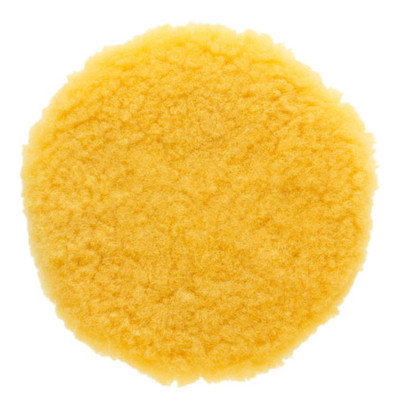
- Polish with a yellow wool pad
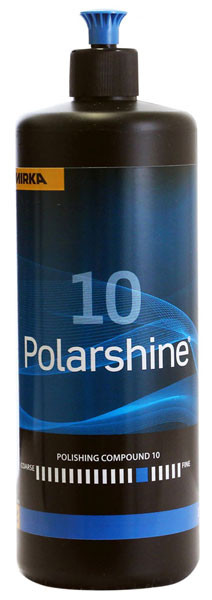
- Finish with Polarshine 10 (PC-10)
Shorter sanding progression, simpler final polish, and a more uniform reflective finish in the customer-provided photos.
Faster process. Better finished appearance.
For GKN Aerospace, the Mirka process creates a meaningful productivity improvement on each engine inlet cowl. The customer saves time and labor while achieving a better finished appearance.
The Finished Cowl

The Products Behind the 8-Hour Sequence
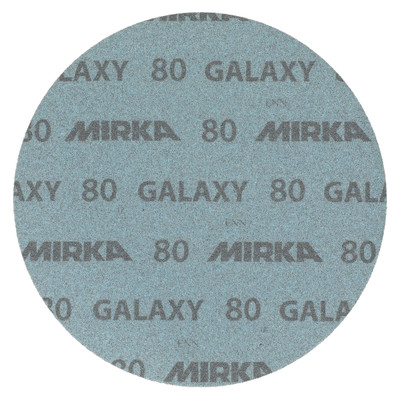
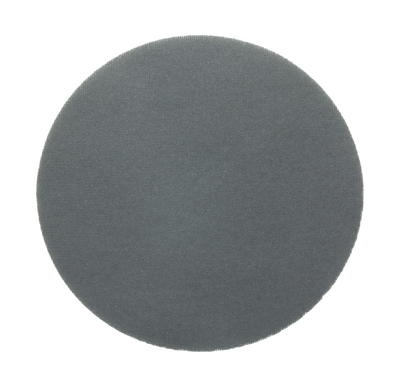
GALAXY grip discs cover 40 through 2000 grit. Abralon carries the sequence to P4000. Then a yellow wool pad and Polarshine 10. Every grit on one page, with one Add to Cart.
Source. Customer-provided process details and photos supplied for this case study. The 8-hour figure is a calculated estimated completion time per cowl. 36 - 8 = 28 hours saved; 28 / 36 = 77.8%, rounded to 78%.
Polishing a Part Like This?
Tell us the alloy, the starting surface and the finish you need. We will lay out the grit sequence, pad and compound, and build the stocking plan behind it.
Contact Our Specialists Aerospace Surface Prep